

Why We Started Upstream.
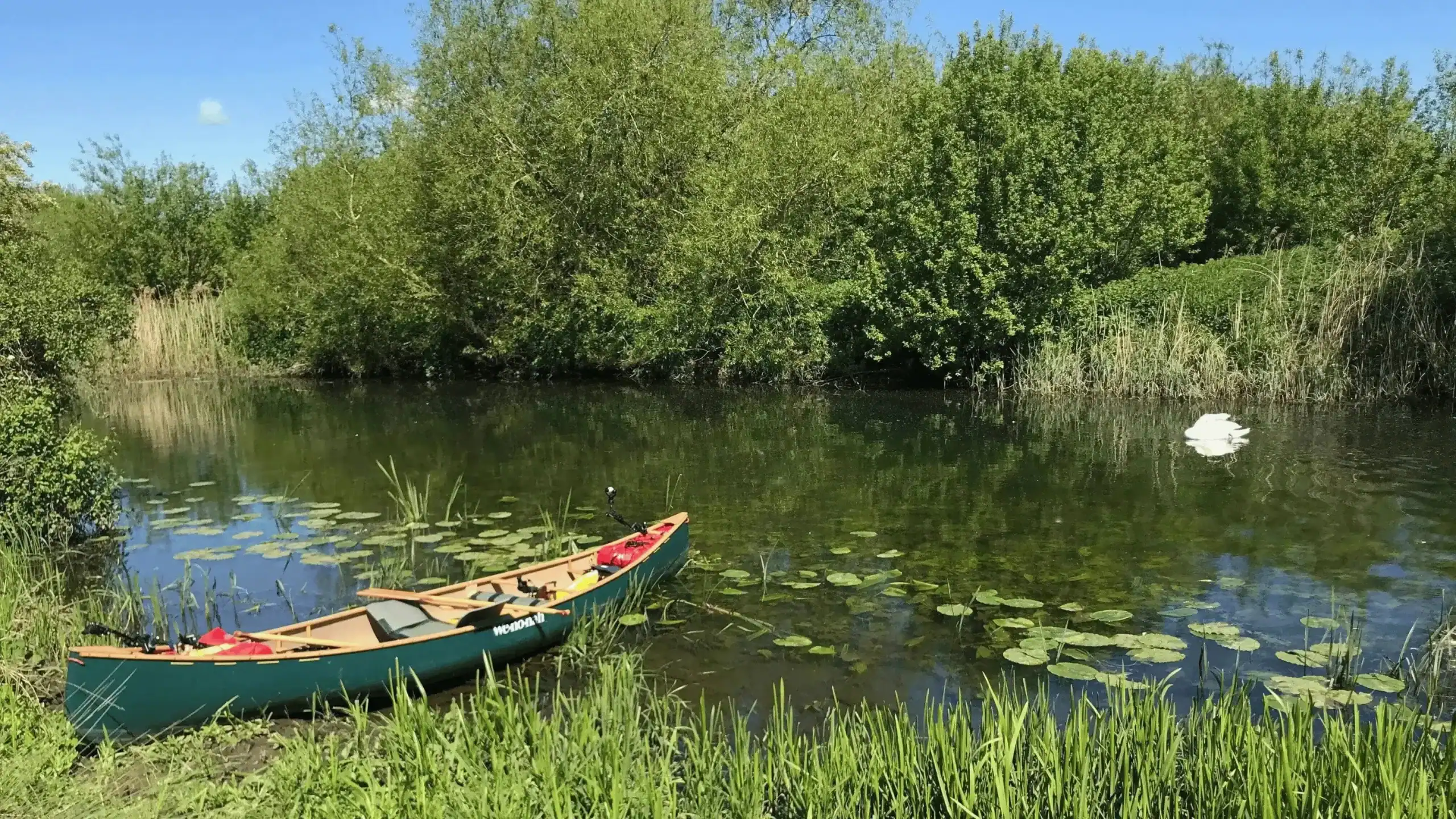
There is a quiet assumption most of us make about water.
If it looks clean, it must be safe.
Swimmers describe a river as “crystal clear”. Surfers post photos of turquoise waves. Paddleboarders judge conditions by how well they can see the riverbed.
But sometimes the signals we trust most are the ones misleading us.
At Fieldcraft Studios we are not just storytellers. We are water people. Paddlers, swimmers, sea kayakers. We spend our free time on rivers and coastlines. Like many people who care about the water, we have watched the sewage story unfold with growing anger.
But as we dug deeper, something else appeared beneath that story.
Antimicrobial resistance.
It happens when bacteria evolve to resist the drugs designed to kill them. It already causes more deaths globally each year than malaria and HIV combined. Some of those resistant bacteria are present in our waterways, carried there through sewage discharge, agricultural runoff and pharmaceutical waste.
Yet outside scientific circles, awareness is almost non-existent.
Not because the science is missing. Researchers, governments and universities have been studying antimicrobial resistance for years.
The problem is that the story never really leaves the room.
Fieldcraft Studios was built to solve exactly that kind of problem. Long before Fieldcraft Studios took shape, we were journalists working on stories that travelled through unlikely places: Radical Cheerleaders in New York, water pollution in the Deep South of the United States, endangered marine turtles on remote beaches in Malaysia.
Each story taught us the same lesson. Important issues rarely spread on their own. They need an angle.
Alongside our client work we purposefully run our own projects. We call them Work for the World. These are issues we believe matter deeply but may not yet have the funding, attention or narrative they deserve.
Upstream is one of those projects.
So when we began exploring antimicrobial resistance in waterways, we looked at it through our journalistic lens — the training and heritage that sits at the heart of Fieldcraft Studios.
We started with the evidence. More than forty peer-reviewed papers, monitoring reports and environmental datasets. We mapped the science and traced how antimicrobial resistance enters rivers and seas.
In other words, we put the science into data science.
But storytelling needs something else as well.
An angle.
There is no point talking only to people who already understand antimicrobial resistance. The real challenge is the people who have never heard of it.
Which raises an awkward question: how do you research what people think about something they do not even know exists?
That is where our collaboration with Braidr began.
Braidr’s Head of Data Science, James Wolman, describes this as searching for invisible networks. Communities already experiencing the consequences of a problem without recognising the system behind it.
So instead of looking for conversations about antimicrobial resistance, Fieldcraft Studios and Braidr looked for the adjacent signals.
Surfers discussing ear infections that will not clear.
Wild swimmers talking about water clarity.
Paddleboarders comparing river conditions.
Across thousands of conversations the pattern was striking.
Awareness of antimicrobial resistance was close to zero.
Instead, people relied on a far simpler signal.
If the water looks clean, it must be safe.
But antimicrobial resistance does not behave like visible pollution. Clear water tells you nothing about resistant bacteria.
For Fieldcraft Studios, that insight is where the real work begins.
The data gives us the foundation. What comes next is storytelling.
We now have something incredibly powerful: a living map of communities, motivations and beliefs. A dataset showing how people actually talk about water, health and risk in their own words.
In other words, a supercharged content engine.
Fieldcraft Studios will now do what we have always done. Find the angles that make complex issues visible. Turn data into narrative. Build stories that travel beyond the usual echo chambers and land in the lives of people who have never heard this issue before.
Because the easy direction is always downstream.
Downstream is where the conversation already exists and everyone already agrees.
Upstream is where the work gets difficult. Where the audience does not yet exist. Where the science has not yet found its language.
That is where Fieldcraft Studios works.
Not because it is easy.
Because it is necessary.
Anyone can go with the flow.
If you want to see where this story leads, come upstream with us.
Explore the data and sign up for updates:
https://fcs-ai-for-good.web.app/upstream/


Want to receive updates from us?
Get the latest insights on AI, data and technology straight to your inbox.
No noise, just smart thinking from the team at Braidr.